
Status quo
Young people are the future of democracy. Yet they are rarely asked.
Trust in political institutions is declining, especially among the young generation. What is missing are accessible formats that genuinely involve young people and show them that their voice counts. Not as an exercise, but with real money and a binding result.
- 73 %
- of young people are dissatisfied with how politicians take their interests into account.
- Vodafone Foundation, representative survey 2024
- 14 to 21
- years old: the people whose future is at stake. In most municipalities they are not allowed to vote.
- Target group of our youth budgets
- 1 process
- instead of one-off actions: participation only works when it is binding and recurring.
- Experience from Cologne, Wuppertal and the support programme
Our impact model
Built on the IOOI model: input, output, outcome and impact. In Germany's non-profit sector it was made known above all by PHINEO.
Our contribution to the process
Inputs
What goes into the process?
Resources
- Tested formats and workshop concepts
- Materials, templates and learning modules
- Allocated funds
- Money to run the process
- Time
People
- Staff support on site
- Volunteers from all over Germany
- Political will
- Qualified staff
- Civil society partners
Context
- Experience from previous municipalities
- Political system
- Political culture
- Existing formats and structures
- Capacity of the administration
- Capacity of young people
Activities
What happens during the process?
We support the municipality through the entire process
- Process planning
- Call for ideas
- Concept development
- Voting
- Implementation
- Impact evaluation
Outcomes
What changes through the process?
Young people
- Young people learn skills and knowledge, citizenship
- Young people take part in political decisions
- Relationships with people, organisations and public bodies
Community
- Stronger and better connected organisations
- New organisations
- New coalitions and alliances
- Sustainable projects that benefit the community
Public administration
- Clear priorities, because they come from the district itself
- New public infrastructure and programmes
- A permanent process in the budget: the youth budget
- A direct line to young people and local organisations
Impact
What long-term results are achieved?
Young people
- Young people become informed and active citizens
- More trust in political processes
- Young people experience political self-efficacy
Community
- More health and safety in municipalities
- A stronger civil society
- Broader political horizons
Public administration
- Municipal funds used in a more targeted and fairer way
- More transparency
- Youth participation anchored systematically and structurally
- Co-governance
Die Grafik ist inspiriert von People Powered, dem globalen Netzwerk für Bürgerhaushalte, und auf Jugendhaushalte in deutschen Kommunen übertragen.

Facts and voices on our work
approx.2,000
young people have taken part directly in participation processes we supported.
8
municipalities have received our direct support.
To the projects →over163,000 €
were decided on by young people in Cologne and Wuppertal.
26
young people volunteer in our non-profit association.
Voices from HEY Nippes!, Cologne
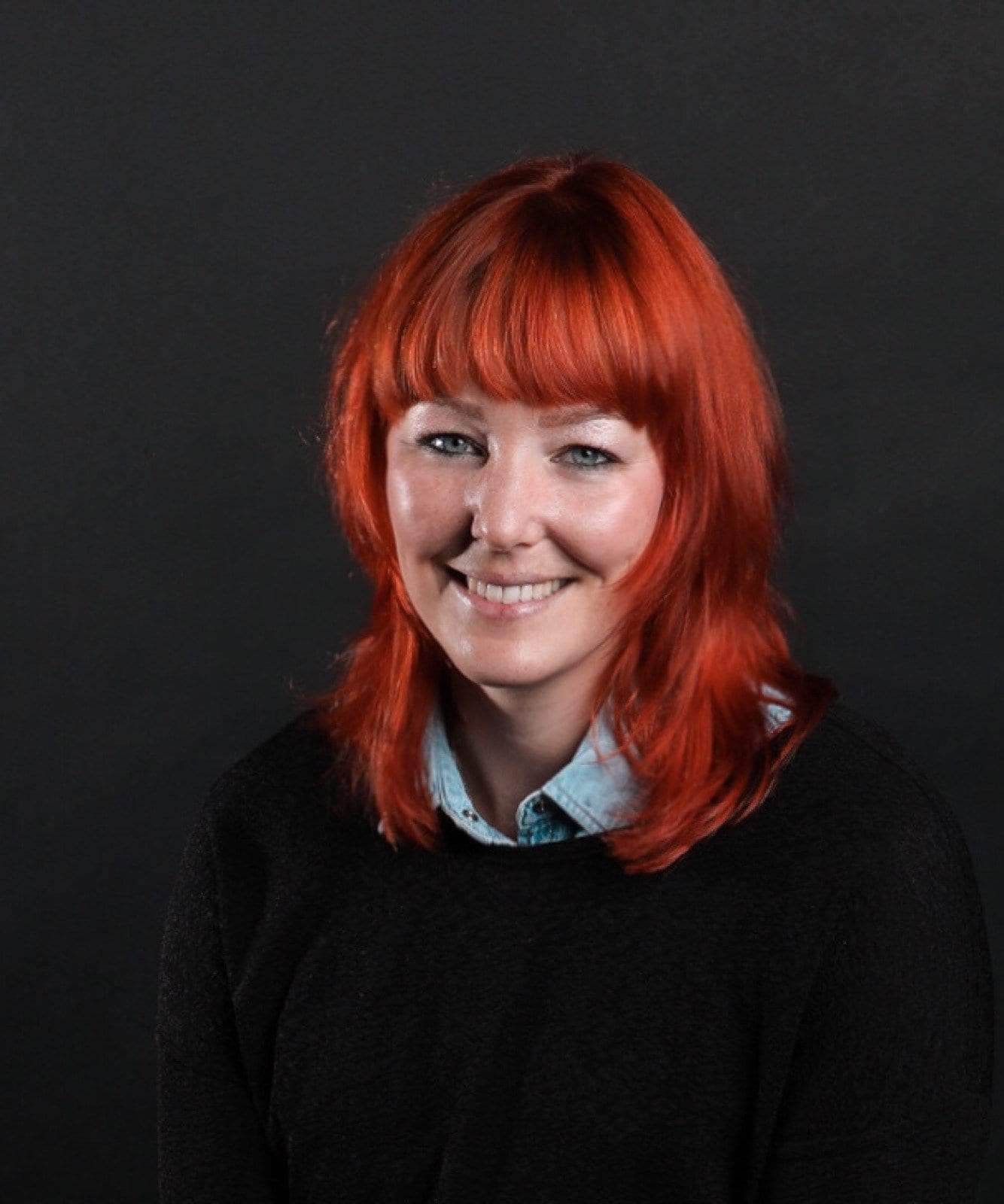
Anica Latzer-Schulte
Project lead, HEY Nippes!, Office for Children, Youth and Family, City of Cologne
“Youth Lead the Change enriched our project enormously, with innovative ideas, energy and passion. With their support we were able to get young people excited about the project and show them how to raise their voice effectively and bring about lasting, positive change in their city.”
Eliz, 12 Jahre
Participant in HEY Nippes!
“Usually you are not taken all that seriously as a young person, because we are still so small and do not have such a loud voice. But today I felt that I could say anything, that I could simply speak my mind, and I really liked that.”

Academic partners
We don't assess our own impact. Two universities accompany our work, and our advisory board includes people who have researched youth participation for decades.
Joint partner in the support programme
Leuphana University Lüneburg
At the Institute of Social Work and Social Pedagogy, a team led by Prof. Dr. Lars Alberth prepared the accompanying research for the support programme. It conducted qualitative interviews with experts and developed methods to measure the influence on the political self-efficacy of the young people involved. Duration: November 2024 to December 2025.

Learning and research partner
University of Freiburg
Together with the Department of Finance, Accounting & Entrepreneurship (FCE), we study the introduction of municipal youth budgets: which factors make a youth budget succeed, and which chains of impact emerge? The findings feed into the support programme and future municipalities. It is about learning together, not about controlling or rating individual municipalities.
Two professors on our advisory board
Prof. Waldemar Stange and Prof. Roland Roth advise us on content. Both have researched democracy, youth participation and local education for decades.
The Boston evaluation
Youth Lead the Change has been running in Boston since 2014. A Boston University team evaluated the process in its third year, qualitatively and quantitatively, supported by the Harvard Kennedy School. This evaluation is one of the foundations of our impact model.
What research shows about participatory budgeting
Three peer-reviewed studies, and what they mean for our work. Each card says how the study reached its result.
2017
Young people experience that their ideas count
“She treated us like we bring valid ideas to the table”: Youth experiences of a youth-led participatory budgeting process, Children and Youth Services ReviewResearch
Boston University followed young people who decided on one million dollars of the city budget. They learned how government works and experienced themselves as legitimate decision-makers.
What we do today
Boston is the model for Youth Lead the Change Germany. We brought the format to Germany, starting with Cologne and Wuppertal.
Interviews with young people
“She treated us like we bring valid ideas to the table.”
- Age
- 12 to 25 years
- Budget
- $1 million
- From the budget
- City capital budget
Youth Lead the Change Boston, Boston University evaluation
2026
Self-efficacy grows when decisions are carried out
Democratizing School Reform: Race, Participation, and Redistribution in Education, EdWorkingPaper, Annenberg Institute at Brown UniversityResearch
At a school chosen by lot, students decided on $10,000 a year for three years, and what they decided was bought. Afterwards they knew more than at the comparison school and, in the third year, felt clearly more effective. Where their decisions met less response, the effects weakened.
What we do today
That is why we insist that the municipality carries out what young people decide. Participation without consequences frustrates.
Two schools, one chosen by lot · working paper
How much more do students know about school finance? - School with its own budget
- +1.5 questions
- Comparison school
- ±0
More correct answers to 4 knowledge questions, bar on a scale up to 4. Average across both evaluated years. Not yet peer-reviewed.
2023
People who decide are more likely to vote later
Testing the Participation Hypothesis: Evidence from Participatory Budgeting, Political BehaviorResearch
The study compared participants in New York City's participatory budgeting with similar people who did not take part, using official voter files. Taking part raised the probability of voting by 8.4 percentage points on average.
What we do today
In a youth budget, many vote on real money for the first time. We want that to become a habit.
Matched comparison with non-participants
How much more likely are participants to vote? - Participants
- +8.4 points
- Comparison group
- ±0
Bars: increase on a scale up to 10 percentage points
Want to do research with us?
Write your term paper, bachelor's or master's thesis on youth budgets. We have collected questions from eleven disciplines and give you insight into real processes.
Questions about our impact?
Merle Möller is the contact for everything to do with impact, evaluation and cooperation with universities. Write to her if you need figures, methodology or the raw data behind this page.
Contact for impact and evaluation
